

Star anise


Star Anise
八角Ba Jiao·Anis Étoilé
Anisi Stellati Fructus
- Specialist suppliers based in France
- Dispatched within 24/48h, packed to order
- Kept away from light and moisture

Earth Phase 土
Ziziphus jujuba
Wu Qijun, Zhiwu mingshi tukao, 1848
According to the classical texts
温阳散寒 理气止痛
Pinyin
Wen Yang San Han · Li Qi Zhi Tong
Overview
Star anise, the fruit of Illicium verum, is that eight-pointed star with the sweet, aniseed scent recognisable the world over.
Native to southern China and Vietnam, it is harvested when its follicles open and release their glossy brown seeds.
Used in traditional cookery (five-spice, long-simmered broths, Asian mulled wine) as much as in the orthodox pharmacopoeia, it is one of the most emblematic spices of Asia.
Traditional uses
Traditionally used to warm the median sphere and, within the register of transformation (Yun Hua), for when cold settles there.
Star Anise moves the Qi through the Earth Phase and quiets the tensions the tradition ties to cold stagnation.
The kitchen herb of the supplementing register above all others in the cool seasons.
Preparation and traditional-use quantity
- Decoction: 3 to 6 g, to be added at the end of cooking (10 minutes), as the essential oils are volatile
- Supplementing cooking: one star in a simmered broth, a braised duck or a spiced tea, a classic of winter dishes
- After-meal infusion: 1 to 2 stars in a cup of water at a simmer, 10 minutes covered, after a cold or hearty meal
Precautions
Naturally contains estragole. Not recommended for infants, young children, or women who are pregnant or breastfeeding. Do not exceed the quantity of use indicated.
To be avoided in cases of settled heat or of deficient with dryness. Important: do not confuse it with Japanese star anise (Illicium anisatum, highly toxic).
The species we require from our suppliers is Illicium verum.
In the same family


Dried ginger
干姜 · Gan Jiang
7,80 €

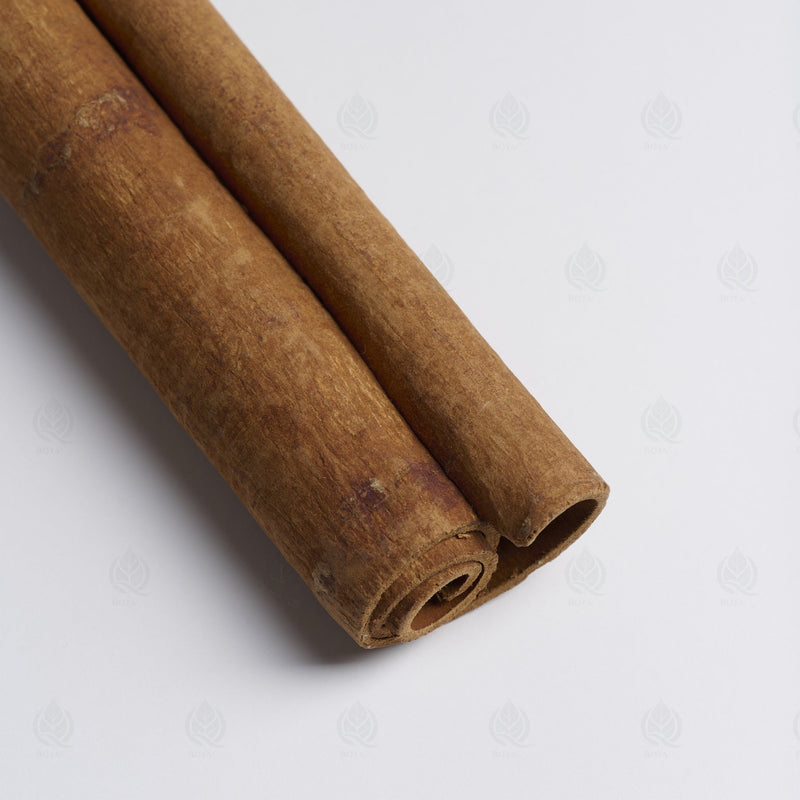
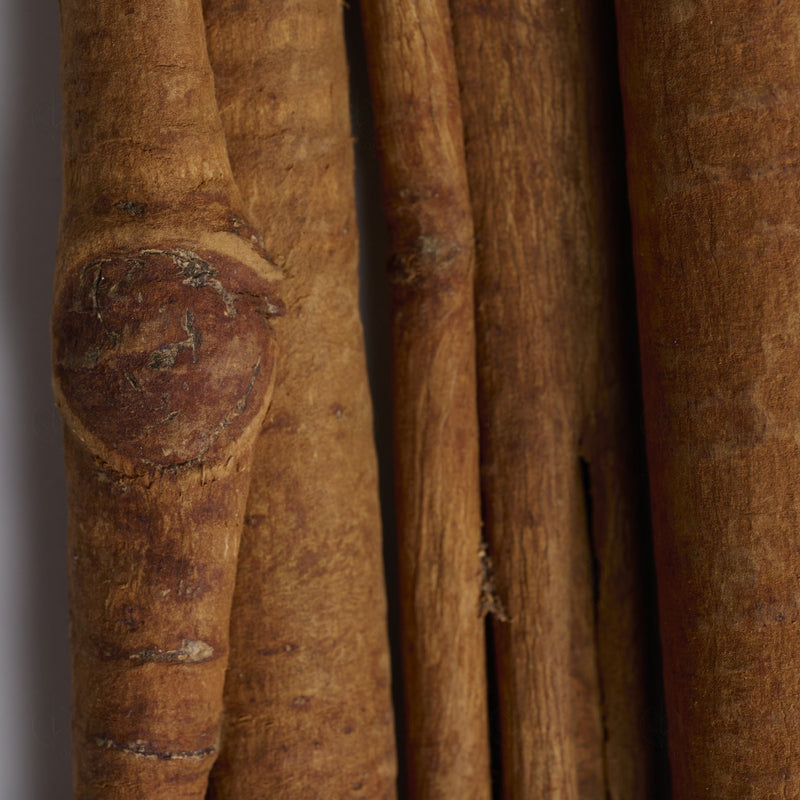
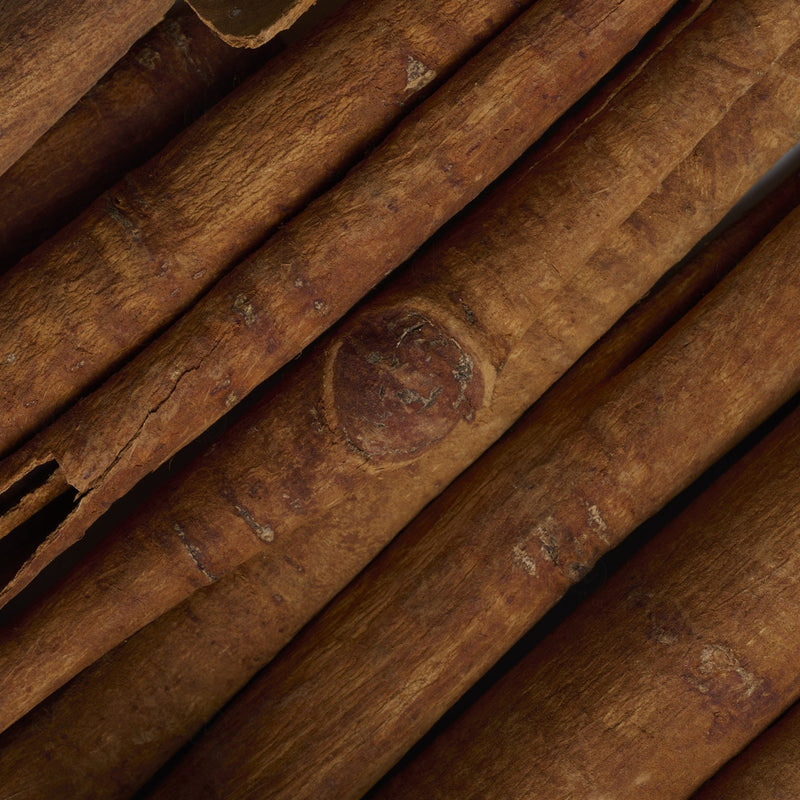

Chinese cinnamon bark
肉桂 · Rou Gui
8,00 €


Clove
丁香 · Ding Xiang
4,00 €


Sichuan pepper
花椒 · Hua Jiao
8,00 €